What is Sheet Metal Prototyping Understanding Its Benefits and Industry Impact
Sheet metal prototyping is a critical process in the manufacturing industry, characterized by its ability to create precise and durable components efficiently. As we move towards more advanced manufacturing technologies, understanding the benefits and implications of sheet metal prototyping becomes increasingly important.
Expert in the field, Dr. Amanda Lee, emphasizes, "The ability to prototype with sheet metal not only accelerates product development but also significantly reduces costs while maintaining high quality." This shift towards more streamlined processes is transforming how industries approach product design and production.
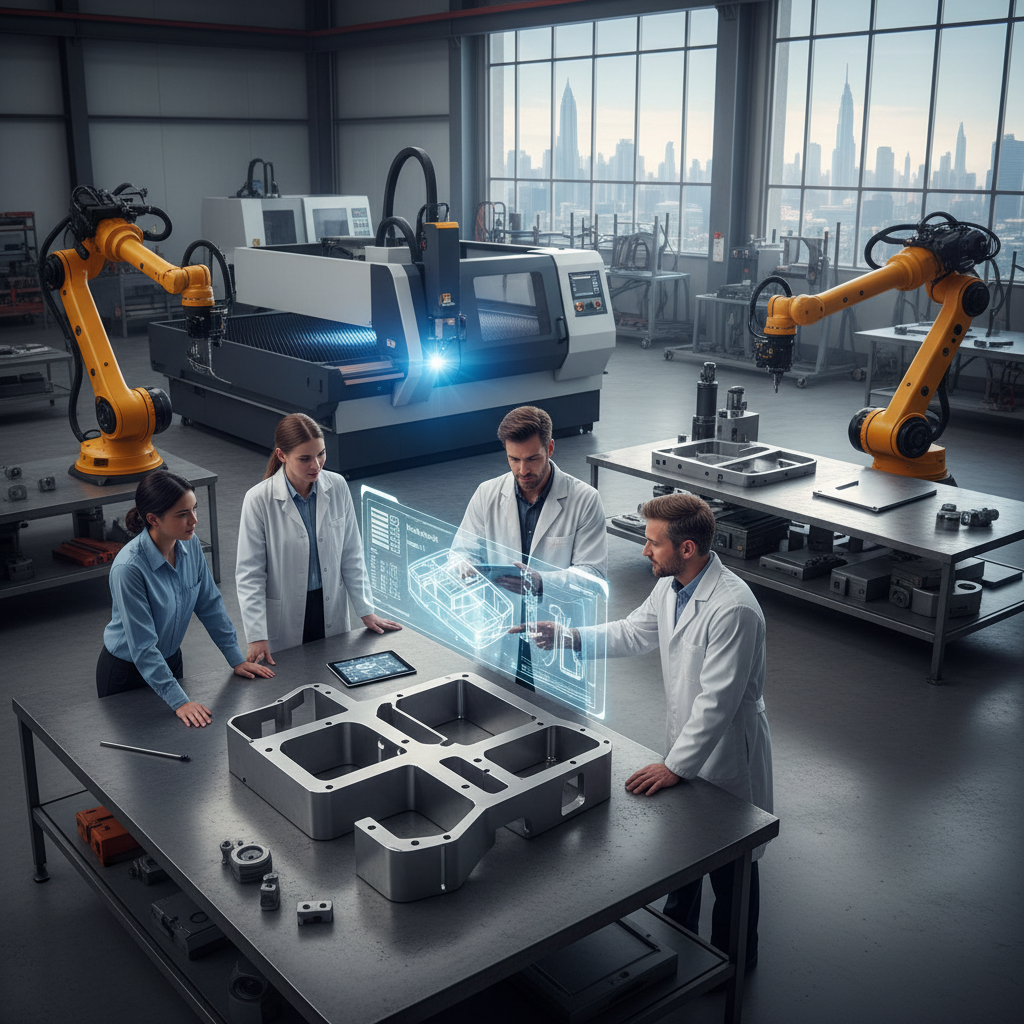
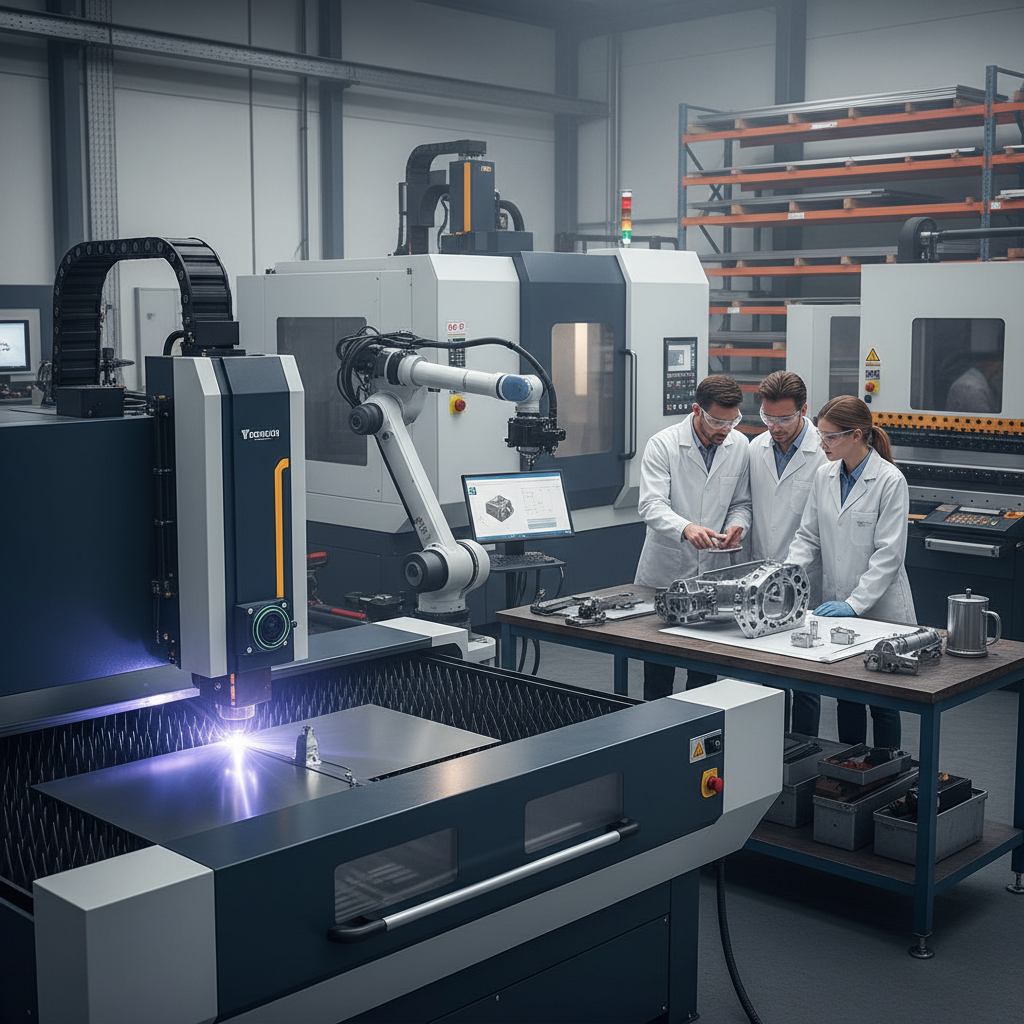
In an era of rapid innovation, sheet metal prototyping plays a pivotal role in various sectors, including aerospace, automotive, and electronics. The advantages of this method are manifold: it allows for quick iterations of design, enhances collaboration between design and production teams, and ultimately leads to better end products. As companies strive for competitive advantages, the integration of efficient prototyping techniques will be essential in meeting consumer demands and staying ahead in the market.
As we explore the trends and impacts of sheet metal prototyping leading up to 2025, it is crucial to evaluate how these practices are shaping industries. The evolution of materials, technology, and methodologies will influence not only cost efficiency but also the sustainability of manufacturing practices in the future. Understanding these dynamics will be key to navigating the challenges and opportunities present in the ever-evolving landscape of manufacturing.
Understanding the Fundamentals of Sheet Metal Prototyping
Sheet metal prototyping is a crucial aspect of modern manufacturing that allows for rapid development and testing of designs before full-scale production. This process involves creating a scaled-down version of a product using sheet metal, which can be made of various materials such as aluminum and steel. According to a report by Research and Markets, the global sheet metal market is expected to reach $2.98 trillion by 2027, indicating the growing importance of this technique in numerous industries, including automotive, aerospace, and consumer electronics.
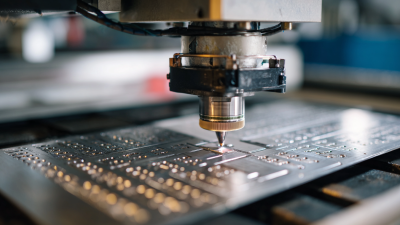
One fundamental advantage of sheet metal prototyping is its efficiency in reducing time-to-market. By utilizing computer-aided design (CAD) software and advanced laser cutting technologies, engineers can create precise prototypes quickly. A study by Deloitte highlighted that companies employing rapid prototyping techniques, such as sheet metal fabrication, can reduce their product development cycle by up to 30%. This acceleration not only enhances competitiveness but also supports better alignment with consumer demands in a fast-paced market. Furthermore, the cost-effectiveness of producing prototypes in small batches allows businesses to test and iterate their designs economically, thus minimizing waste and optimizing resource allocation.
Key Advantages of Using Sheet Metal Prototyping in Design
Sheet metal prototyping has become increasingly vital in the design process across various industries due to its numerous advantages. One of the primary benefits is the ability to quickly create functional prototypes that closely mimic the final product. According to a report from the Association for Manufacturing Technology (AMT), utilizing sheet metal for prototyping can reduce development time by up to 30%. This accelerated timeline allows companies to get their products to market faster, ensuring a competitive edge.
Another significant advantage is the cost-effectiveness associated with sheet metal prototyping. A study published in the Journal of Manufacturing Processes indicates that using sheet metal technologies can lower production costs by as much as 25% compared to traditional methods. This is particularly important for startups and smaller companies that must keep budgets in check while striving for innovation. Additionally, the flexibility of sheet metal allows for easy adjustments and iterations in design, which enhances the overall efficiency of the product development cycle and leads to superior final outcomes.
Benefits of Sheet Metal Prototyping
This chart illustrates the key advantages of using sheet metal prototyping in design across various industry sectors.
The Role of Sheet Metal Prototyping in Modern Manufacturing
Sheet metal prototyping has become a crucial component in modern manufacturing, bridging the gap between design and production. The ability to rapidly create prototypes allows manufacturers to explore innovative designs, test functionality, and make necessary adjustments before committing to large-scale production. This iterative process not only enhances the quality of the final product but also significantly reduces time-to-market, which is vital in today's fast-paced industrial landscape.
Investments in sheet metal prototyping technologies are indicative of a broader trend in manufacturing, where companies are increasingly adopting advanced techniques to streamline operations. With the global sheet metal processing equipment market expected to grow substantially in the coming years, manufacturers are focusing on integrating automated systems that handle multiple fabrication functions. This integration translates into improved efficiency and reduced labor costs, benefitting industries ranging from HVAC to aerospace.
As businesses continue to innovate, the impact of sheet metal prototyping will likely extend further, driving advancements in product development and manufacturing processes.
Challenges and Limitations of Sheet Metal Prototyping
Sheet metal prototyping offers a range of advantages, but it is not without its challenges and limitations. One significant challenge is the initial setup cost and time required for creating accurate prototypes. According to a report by Market Research Future, the global sheet metal prototyping market is expected to grow at a CAGR of approximately 8.5% from 2021 to 2027. This growth is driven by increasing demand for precision-engineered components in industries like aerospace and automotive. However, companies may find it challenging to justify the upfront investment in expensive tools and machinery, especially for small projects or startups.
Moreover, sheet metal prototyping often encounters issues related to material selection and design complexity. Some materials may not perform well under certain conditions, leading to failures during testing stages. A recent study published in the International Journal of Advanced Manufacturing Technology highlighted that around 30% of sheet metal prototypes fail to meet functional requirements due to design flaws or material inadequacies. This statistic underscores the importance of thorough planning and simulation in the prototyping phase to mitigate risks and ensure successful outcomes. As the industry continues to evolve, addressing these challenges will be crucial for maximizing the benefits of sheet metal prototyping.
Future Trends in Sheet Metal Prototyping Technology
Advancements in sheet metal prototyping technology are shaping the future of many industries, driven by the growing demand for efficiency and precision in manufacturing processes. As businesses seek to innovate while reducing time and costs, technologies such as laser cutting, 3D printing, and advanced machine learning algorithms are becoming increasingly prevalent. These innovations not only enhance the speed and accuracy of prototyping but also enable more complex designs, allowing businesses to stay competitive in an evolving marketplace.
Furthermore, the projected growth of the global metal fabrication equipment market underscores the rising importance of sheet metal prototyping. With an expected increase from $64.64 billion in 2025 to $82.78 billion by 2032, a compound annual growth rate of 3.6% reflects industries' commitment to adopting cutting-edge technologies. This growth will likely facilitate increased collaboration between manufacturers and engineers, fostering a more rapid development cycle. As these trends continue, the landscape of sheet metal prototyping will undoubtedly evolve, leading to more sustainable practices and improved product quality across various sectors.
What is Sheet Metal Prototyping: Understanding Its Benefits and Industry Impact - Future Trends in Sheet Metal Prototyping Technology
| Dimension |
Value |
| Average Cost of Prototyping per Unit |
$250 - $500 |
| Typical Lead Time for Prototyping |
1 - 4 weeks |
| Material Types Available |
Aluminum, Stainless Steel, Copper, Brass |
| Common Applications |
Automotive Parts, Aerospace Components, Electronics Enclosures |
| Advantages Over Traditional Methods |
Faster Production, Cost Efficiency, Greater Design Flexibility |
| Future Trends |
3D Printing Integration, Automation in Manufacturing, Advanced Materials |